

What is a Payment Link? Everything You Should Know

By Karthi | July 9, 2026










A payment link is a modern payment collection method that allows businesses to request and receive payments through a simple, shareable web address. It removes the need for traditional checkout systems by redirecting customers to a secure online page where they can complete the transaction in a few steps.
In this article, you’ll learn what it is, how it works, its key benefits, who can use it, and how to send one for fast and secure transactions.
What is a Payment Link?
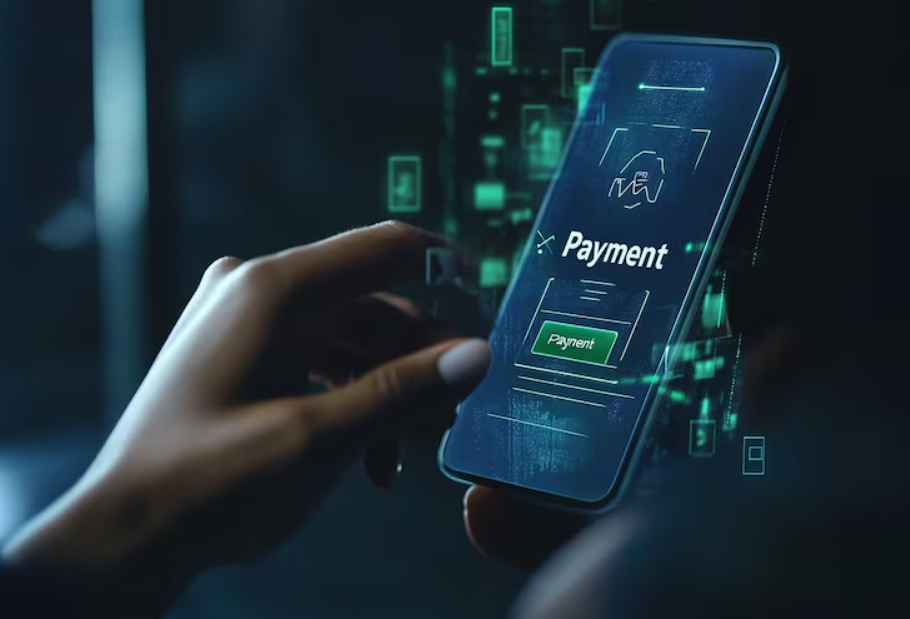
A Payment Link is a method of collecting payments through a secure, shareable URL that directs customers to an online checkout page. Businesses send this link via SMS, email, or messaging apps, and customers complete the payment by entering their details on the page.
It does not require a website or custom checkout system, making it useful for quick and remote transactions. In many cases, the checkout experience is powered by a secure payment gateway such as the one explained in this guide on how payment systems work in detail
The payment process is handled through a payment gateway, which securely processes the transaction, verifies the payment details, and transfers funds to the business account after approval.
They are commonly used for simple business transactions such as services, orders, deposits, or one-time payments where speed and convenience are more important than a full ecommerce setup.
Benefits:
Generally, link payments make it easier to collect funds by eliminating the need for a full checkout setup or a physical point of sale.
1. Convenience:
You can request payment simply by sharing a link through email, SMS, or chat. There’s no need to set up a website or have the customer install anything. For example, a freelancer can finish a project and send a payment link in the same message thread.
2. Improved operations:
Using payment links can cut overheads by removing the need for point-of-sale card reader terminals and the associated fees.
3. Versatility:
It can be shared on social media and messaging platforms. This means they can be attached to customised promotions and marketing.
4. Ease-of-use:
Customers don’t need to download an additional app to pay or remember to pay each month manually. Set-up is quick, so they don’t have to spend time entering card details.
5. No technical setup required:
You don’t require coding skills or a developer. Most payment providers let you generate a payment link in just a few clicks.
6. Flexible payment options:
Many payment tools support cards, digital wallets, and sometimes bank transfers, offering customers a wider range of payment options without added effort on your side.
7. Simple to reuse and monitor:
You can create links for specific products, services, or amounts and reuse them as needed. Most platforms also show payment status, so you can see who has paid and follow up if necessary.
How It Work?
A link payment provides an easy and convenient method for businesses to gather online payments. Known as a payment request link or ‘pay by link,’ businesses can create this link via a payment provider and distribute it through email, text, or other platforms. When customers click the link, they are directed to a secure payment page where they can complete their purchase using options like credit or debit cards, digital wallets, or bank transfers.
This approach is effective because it removes the necessity for customers to manually enter payment information, providing a swift and secure transaction. Moreover, they can complete payments using any device and from any location.
Payment Link Systems
Link payments can be created using different payment platforms using various online payment methods. Usually, there’s no need for a specific “link payment system” to generate links. Instead, many platforms that support link payments offer this feature during new payment or invoice setup, allowing customers to pay through a link.
For businesses running online stores or managing digital checkout systems, having a stable hosting environment like WooCommerce Hosting ensures these payment pages load quickly and reliably.
Not all payment platforms support link payments. If you’re exploring a new platform, visit their website to verify if this feature is available. For instance, GoCardless allows you to send payment links to your customers.
Who Can Use Payment Link?
Payment links are particularly suitable for professionals and businesses relying on remote sales, invoicing, and social media selling, such as:
1. Freelancers and independent contractors:
It offer a simple way to notify clients and receive payments, whether you bill hourly or by project.
2. Service providers:
If you provide services like pet-sitting, house cleaning, or health and beauty treatments, using payment links can facilitate fast and simple payments immediately after each session.
3. Remote sellers:
The Links are ideal for online store owners or for those who primarily sell through social media channels.
4. Online coaches and consultants:
Whether you offer one-on-one coaching or group consulting, links provide a convenient way to accept client payments.
5. Creators and artists:
If you sell digital products, art, or handmade goods, links offer a convenient way to accept payments from fans and customers and to sell anywhere.
How Do I Send Someone a Payment Link?
Step 1: Create a payment link
Log in to your payment provider’s dashboard and generate a new link. Enter a fixed amount or allow variable pricing if supported.
Step 2: Choose a sharing method
Select how you want to send the link, such as email, SMS, messaging apps, or social media.
Step 3: Share the link
Copy the generated link and send it to the customer through your chosen channel.
Conclusion
Payment Links provide a fast and simple way to accept online payments by sharing a secure link with customers. They remove the need for complicated checkout steps and enable smooth transactions on different devices.
Overall, they offer a practical and efficient solution for modern businesses, especially for remote sales and quick transactions.