

Payment Gateway: What is it and How it Work?

By Karthi | July 22, 2026










Understanding a payment gateway is essential for any business that wants to accept online payments securely. A payment gateway acts as a bridge between customers, merchants, and banks by safely processing and authorizing digital transactions in real time. It ensures that sensitive payment details such as card information or wallet credentials are encrypted and transmitted securely during checkout.
In this article, you’ll learn what a payment gateway is, how it works, its different types, and how to choose the right one for your business to ensure smooth and secure online transactions.
What is a Payment Gateway?
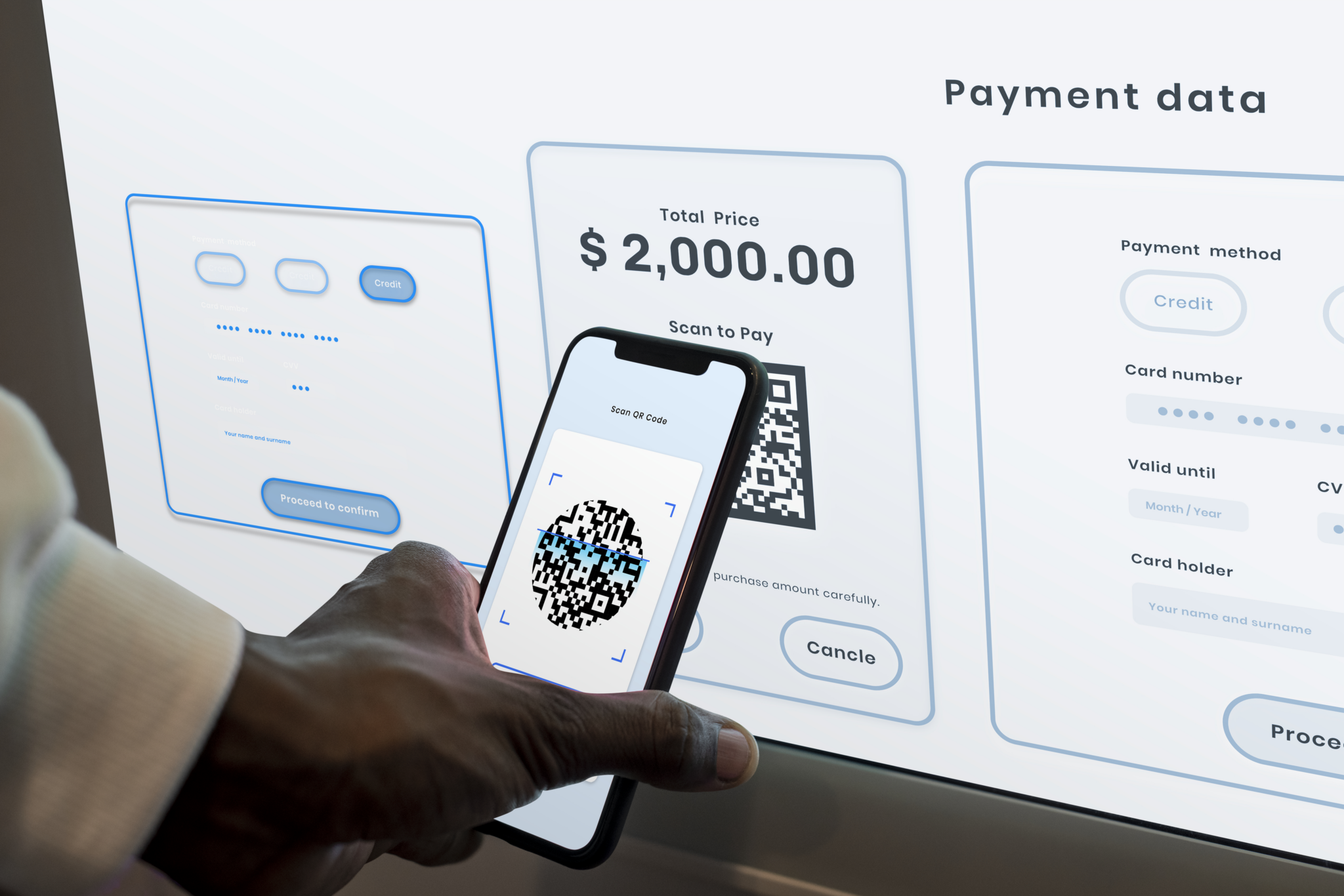
A payment gateway is a technology that securely transmits payment information between a customer, a merchant, and the banks involved in a transaction.
It encrypts card or wallet details, sends an authorization request to the issuing bank, and swiftly receives either approval or decline.
Each transaction adheres to a specific sequence that confirms payment details, ensures enough funds are available, and initiates the transfer between banks.
A payment gateway does more than simply approve transactions. It manages authorization, encryption, and settlement, works with payment processors, offers different types, and requires careful evaluation before integration.
How Does a Payment Gateway Work?
At first glance, paying online seems simple: just enter your card details, click “Pay,” and you’re finished. But behind the scenes, a payment gateway performs multiple critical steps to ensure the transaction is secure and smooth. Using a properly configured website setup such as WooCommerce Hosting can help ensure these processes run efficiently without downtime during checkout.
1. Transaction initiation
The process begins when a customer selects items to purchase and proceeds to the checkout page. They then provide their payment details, such as credit card information or digital wallet credentials.
2. Encryption
Once the payment information is entered, the gateway encrypts the data to protect it from unauthorised access. This ensures that sensitive details, like card numbers, are transmitted securely.
3. Verification
The encrypted payment information is sent to the acquiring bank, which subsequently forwards it to the issuing bank or the relevant card network for authorisation. The issuing bank checks if the customer has sufficient funds and verifies the payment method’s validity.
4. Feedback loop
The issuing bank provides an approval or denial via the same channels. The payment gateway then relays this status to the merchant, who displays the result to the customer.
5. Settlement
For approved transactions, the acquiring bank collects funds from the issuing bank and deposits them into the merchant’s account. The duration of this process depends on the agreement between the business and their payment provider, and it can take several days.
The entire process usually takes only a few seconds, with multiple controls and security measures in place to safeguard both merchants and consumers. A payment gateway ensures that each transaction is fast, secure, and dependable.
Types of Payment Gateways
Payment gateways differ depending on their payment processing methods – either hosted or self-hosted – and their geographic scope, whether local or international.
Each type differs in how payments are processed, the degree of control over the checkout process, and your level of responsibility for compliance and security.
Hosted Payment Gateways
A hosted payment gateway directs customers to the provider’s secure page to complete the payment, rather than staying on your website.
When a customer clicks “Pay,” they are directed to the gateway’s checkout page. After entering their details and completing the transaction, they are redirected back to your store.
Pros:
- Quick setup
- Lower technical complexity
- PCI compliance is handled by the provider
Cons:
- Less control over checkout design
- Possible disruption to the customer experience
Common hosted gateways such as PayPal and Shopify Payments redirect customers to a secure checkout page that is managed by the provider.
Self-Hosted or Integrated Gateways
A self-hosted or integrated payment gateway enables customers to input their payment information directly on your website.
Rather than sending users to an external checkout page, the payment form is integrated directly into your store. Card details are entered on your site and then securely sent to the payment processor for approval.
Pros:
- Full control over checkout design and branding
- Seamless customer experience without redirects
- Greater flexibility for custom features
Cons:
- Higher technical complexity
- Greater responsibility for PCI compliance
- Increased security management requirements
This model requires you to handle payment data more directly. Even if sensitive data is tokenized or transmitted securely, you must ensure your website meets security standards and regulatory regulations.
Local vs Global Payment Gateways
A local payment gateway is designed to process transactions within a particular country or region, whereas a global payment gateway manages payments across various countries and currencies.
A local gateway caters to a single market by supporting local currencies, connecting with domestic banks, and providing region-specific payment options trusted by customers.
For instance, Paystack operates across multiple regions in Africa, supporting local card payments and bank transfers. In contrast, Razorpay is tailored for India, providing UPI, domestic card options, and integration with local banking systems.
If most of your customers are concentrated in one country, opting for a local gateway can boost approval rates and offer a smoother checkout experience by aligning with local payment preferences and regional regulations.
A global gateway like Adyen helps with cross-border transactions. It allows accepting different currencies and serving customers in many countries through a single, unified platform.
Your choice depends on your selling location and growth plan.
How to Choose Right Payment Gateway
Choosing the right payment gateway is crucial for efficient business functioning and providing customers with a smooth checkout experience. Keeping your store infrastructure secure with tools like SSL Certificate also plays a key role in protecting transactions and building customer trust. Here are the key factors to consider:
Security and Compliance
- Make sure the gateway complies with PCI DSS standards to safeguard sensitive payment information.
- Identify features like encryption and sophisticated fraud detection to minimise risks and build customer confidence.
Ease of Integration
- The gateway must work seamlessly with your ecommerce platform or website.
- Along with payment setup, businesses often rely on tools like Email Hosting to ensure smooth customer communication such as invoices and transaction emails.
- Simple setup processes and integration options like plugins or custom APIs help save time and reduce technical difficulties.
Support for Growth
- Look for a gateway that supports multicurrency payments and can scale to enter new markets.
- Check whether it accepts multiple payment methods, such as digital wallets, local options, and international cards.
Competitive Pricing
- Evaluate the transaction fees, initial setup expenses, and recurring charges.
- Clear pricing models help avoid unexpected costs and support better margin control.
Conclusion:
A payment gateway is more than just a payment processor; it plays a crucial role in the online shopping experience. By securely handling transactions, protecting customer data, and enabling smooth payments, payment gateways help businesses build trust and operate efficiently. Choosing the right gateway can improve customer satisfaction, support business growth, and ensure secure digital transactions.